CELEBRATIONS

LASKIAINEN
Shrove (Laskiainen) is celebrated in February seven weeks before Easter on a Tuesday.
Laskiainen is traditionally a day of sledge riding. In the past, folks believed the further you can ride with your sledge, the better the next year’s crop would be.
In the old times, Laskiainen was a time to eat hearty amounts of meat, because the next opportunity to eat meat was Easter after fasting. Traditional Laskiainen food included fatty “rieska” bread and pea-meat soup. The “rieska” bread was made from barley and spiced with pork fat.
Desserts are also an integral part of Laskiainen. The best-known after meal dessert is a laskiaispulla, often filled with jam or almond paste and whipped cream, enjoyed either with coffee or tea.
VAPPU
Vappu is one of the few non-Christian holidays in Finland. In 1944, Vappu became a statutory holiday.
A celebration of spring, high-school and university graduates, workers, picnics, and foodies. The parties, which begin on the evening of April 30th and continue until May 1st, typically centre on the consumption of sima, sparkling wine and other alcoholic beverages

Vappu Delicacies
As any other good festivity, Vappu tradition would not be complete without its specific food and beverages.
Tippaleipä is a traditional delicacy that Finns eat during Vappu celebrations. The name itself refers to how it is made, which is by literally dripping cake batter into hot oil through a funnel and then topping it off with some icing sugar.
Sima is a strong mead similar to honey wine was brought to Finland from Lüypek and Riga in the 16th century. At that time, it was the most popular imported drink in Finland after wine. Only the name is the same in the current vappu sima, because the old mead was really strong stuff. Its fermentation process could take up to a year, and this is how strong mead of fortified wine was obtained.
JUHANNUS (Midsummer)
Midsummer was originally celebrated on the brightest day of the year, i.e. at the time of the summer solstice. Midsummer is celebrated in Finland on the Saturday between the 20th and 26th of June. This has been the case in Finland since 1955 .
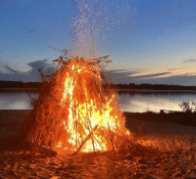
The Junannus Aatto (Finnish Midsummer’s Eve) includes, a sauna with birch fire pits, a midsummer bonfire and midsummer dances.
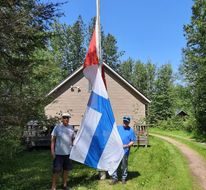
Midsummer’s Day is one of Finland’s six official flag days that are repeated every year. According to the official flagging instructions, Midsummer’s flagging begins at 6 p.m. on Midsummer’s Eve and ends at 9 p.m. on Midsummer’s Day.
ITSENÄISYYSPÄIVÄ (Independence Day)
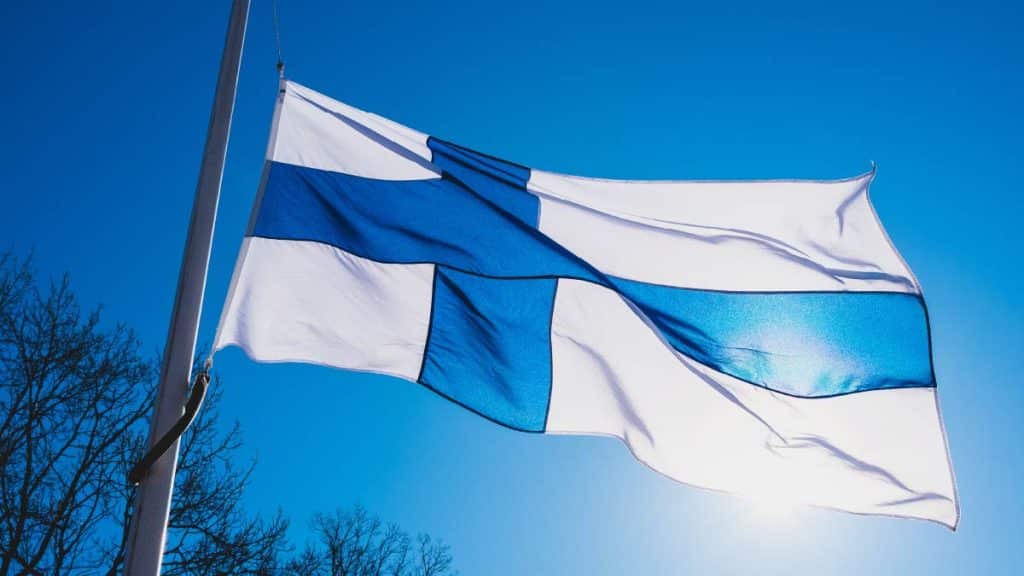
Independence Day is a national public holiday in Finland and a flag flying day held on 6 December to celebrate Finland’s declaration of independence from Russia after the Bolsheviks took power in late 1917.
December 6th has been celebrated as Independence Day since 1919, when it became a public holiday in schools, courts and offices. It became a paid holiday in 1929 and a public holiday and holiday in 1937.
In Finland, Independence Day has a very traditional structure. Since 1957, every year on the morning of Independence Day at 9 a.m., a ceremonial flag-raising, speeches and choral singing has been organized on Tähtitorninmäki in Helsinki.
The Independence Day service is held in Helsinki Cathedral . The top management of the state, such as the presidents , the government council , the speakers of the parliament , the state’s top officials and members of parliament , take part in the celebratory service – ordinary parishioners have reached the side aisles of the church. The service is televised.
On Independence Day, it is customary to light two blue and white candles on the window . The permanent tradition of candles on the window sill did not come until 1927, when the Confederation of Independence urged to light the candles for the evening of Independence Day from 6 p.m.to 9 p.m.. Today, the burning of candles is often stopped at 8 p.m.
On Independence Day, many people visit the unknown soldier grave remember those who fell in wars. Often, a candle is placed on the grave and the reservists of the municipality organize an honor guard at the cemetery.
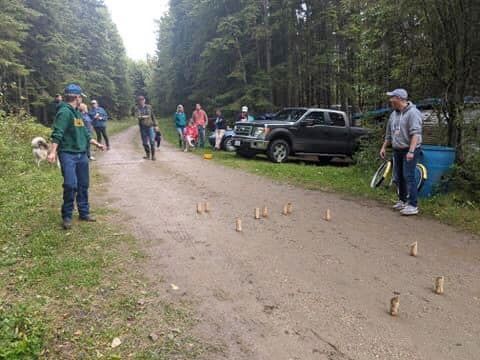
OUTDOOR GAMES